Important Notes Morocco
Entry Requirements & Visas:
- Visa Policies:
- “Many nationalities, including those from the USA, Canada, EU, Australia, and New Zealand, can enter Morocco for tourist purposes for up to 90 days without a visa. Always check the latest requirements with your local Moroccan embassy or consulate as policies can change.”
- “Ensure your passport has at least six months of validity remaining from your date of entry.”
- Customs:
- “Be aware of restrictions on bringing certain items into Morocco, such as large quantities of alcohol or certain medications. Declare valuables upon entry if necessary.”
Health & Safety:
- Vaccinations:
- “While no specific vaccinations are typically required for entry, it’s advisable to be up-to-date on routine vaccinations. Consult your doctor or a travel health clinic for personalized advice.”
- “Food and water safety can be a concern. It is recommended to drink bottled water.”
- Travel Insurance:
- “Comprehensive travel insurance is highly recommended to cover medical emergencies, trip cancellations, and lost or stolen belongings.”
- General Safety:
- “Morocco is generally safe for tourists, but exercise common sense precautions. Be aware of your surroundings, especially in crowded areas. Avoid displaying expensive jewelry or electronics.”
- “Be aware of common scams, and negotiate prices before agreeing to services, especially in souks and with taxis.”
- “Respect local customs and dress modestly, particularly when visiting religious sites.”
Culture & Customs:
- Language:
- “Arabic is the official language, but French is widely spoken. In tourist areas, English may also be understood.”
- “Learning a few basic Arabic phrases, such as ‘Salam aleikum’ (peace be upon you) and ‘Shukran’ (thank you), will be appreciated.”
- Religion:
- Morocco is a Muslim country. Respect local customs and traditions, especially during Ramadan.”
- Dress modestly, particularly when visiting mosques or religious sites. Women should consider covering their shoulders and knees.”
- Tipping:
- Tipping is customary in Morocco. Expect to tip in restaurants, cafes, and for services like taxis and tour guides.”
- Photography:
- “Always ask for permission before photographing people, especially locals. Avoid photographing military or government buildings.”
- Haggling:
- “Haggling is a common practice in souks and markets. Be prepared to negotiate prices.
Accommodation:
Some two-story accommodations may lack elevators, so be prepared to carry your luggage upstairs.
Itinerary Pace:
This is a fast-paced trip with early starts, long drives, and limited free time, allowing you to see many locations in a short period.
Transport:
Minivan legroom may be cramped for taller passengers, and seat belts may not be available as they are not required by law in Morocco.
Camel Ride:
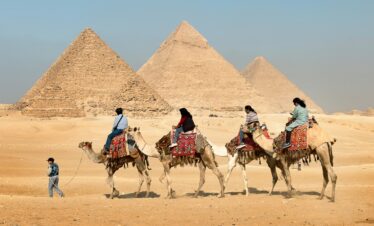
To reach the dunes for sunset, walking or riding a camel is necessary, as vehicles cannot access this area. Walking can be hot and tiring.
Weather:
Morocco’s climate varies:
- Summer (April–September): Very hot, up to 50°C.
- Winter (November–March): Cool to cold, with possible snow in the Atlas Mountains. Nights can be chilly, and most buildings lack heating. Bring suitable clothing and consider a sleeping bag in winter for desert or mountain stays.
Ramadan:
Occurs Feb 28–Mar 29, 2025, and Feb 17–Mar 19, 2026. Expect adjustments to schedules and services during this fasting period. Be culturally sensitive by wearing modest clothing and avoiding eating, drinking, or smoking in public during the day.
Aid Al-Adha:
This celebration (Jun 16–17, 2024, and Jun 6–7, 2025) may result in shop, restaurant, and site closures, reduced hotel staff, and quieter streets.